
 English
 日本
日本 한국인
한국인 Français
 Deutsch
 español
 Italiano
 Portugal
 Việt Nam
 türkiye
 عرب
عرب Русский
 čeština
 แบบไทย
 Eesti
Eesti Gaeilge
 Hmoob
Hmoob íslenskur
 Cymraeg
 български
 اردو
اردو Polski
 Hrvatski
 українська
 bosanski
 فارسی
فارسی lietuvių
 latviski
 עִברִית
 Română
 Ελληνικά
 dansk
dansk Magyar
 norsk
norsk Suomalainen
 Nederlands
 svenska
 slovenský
 Slovenščina
 हिंदी
हिंदी Indonesia
 Melayu
 Malti
Malti Kreyòl ayisyen
 català
 বাংলা
বাংলা Српски
 o'zbek

Electric transfer carts—also known as battery-powered transfer carts, industrial transfer trolleys, or heavy-duty transfer carts—are material handling devices commonly used within manufacturing facilities for short-distance material transport or to facilitate specific production processes.
As material handling tools, electric transfer carts have found application across a wide spectrum of industries. Due to the diverse range of operating environments, they constitute a vast family of devices with numerous variations. The following classification categorizes these carts specifically based on their power supply method:
Based on their power supply method, they fall into four main categories: The first utilizes a DC power supply (typically via lithium-ion or lead-acid batteries); the second utilizes an AC power supply (typically 380V); the third draws power directly from the rails; and the fourth consists of "non-powered" transfer carts—units that require no external power source.
Transfer carts powered by rechargeable batteries are highly favored by a broad base of clients due to their operational convenience and minimal spatial or movement restrictions. However, a drawback of this cart type is that the batteries require regular maintenance and management; therefore, in scenarios involving extremely frequent or intensive usage, it is advisable to opt for an electric transfer cart utilizing a different power supply method.
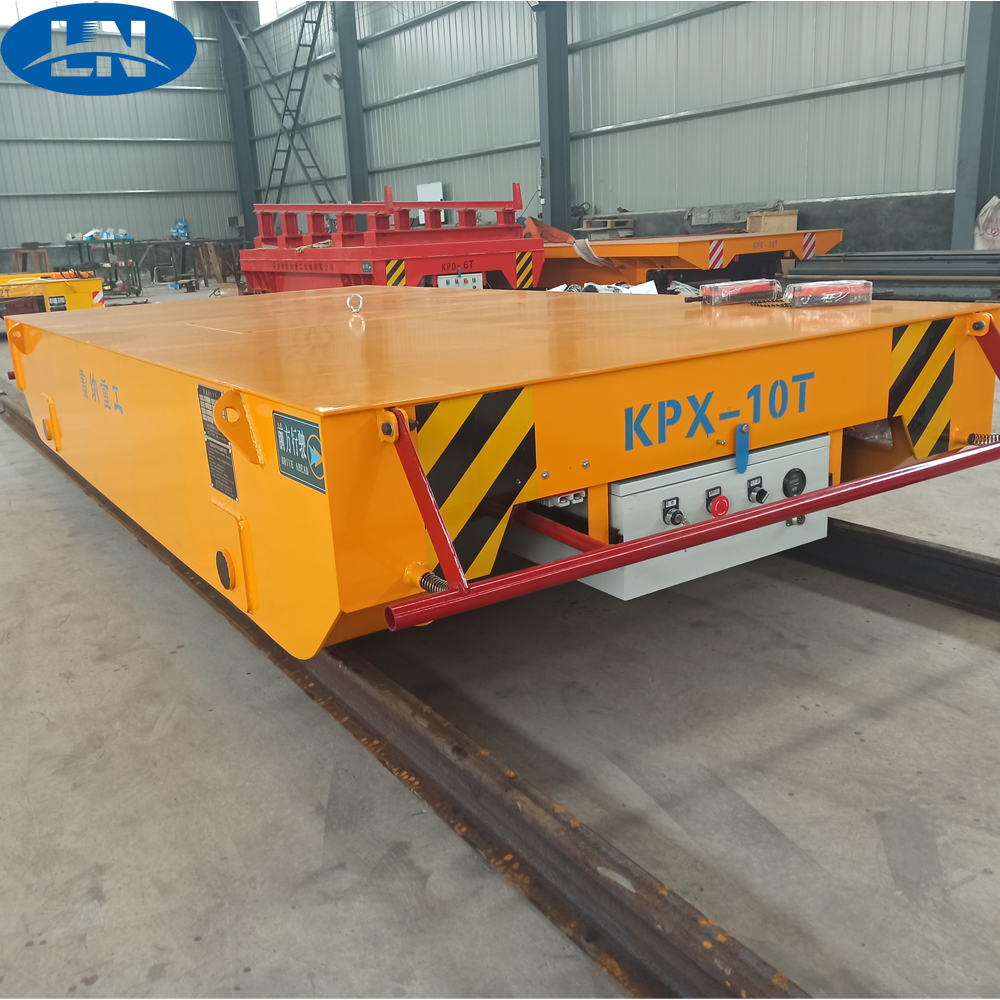
Opting for transfer carts powered directly by a 380V AC source offers the advantages of lower initial cost and ease of maintenance. Conversely, the disadvantages include the necessity of external cabling to transmit power to the cart, as well as inherent limitations regarding the maximum operational distance.
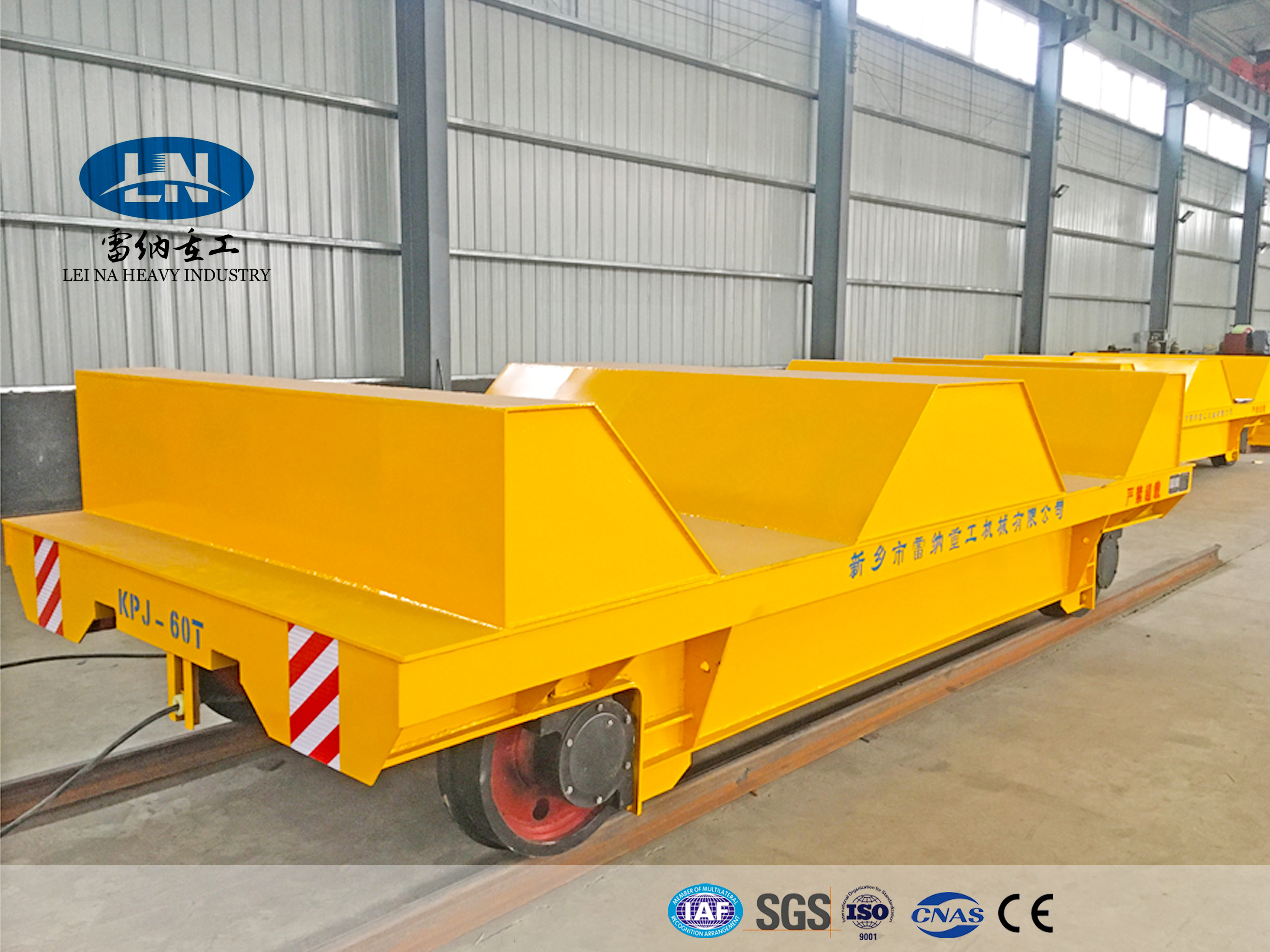
Rail-powered transfer carts overcome the limitations associated with the two aforementioned power supply methods. However, it is important to note that the installed steel rails must be electrically insulated from the ground. While the initial capital investment for rail installation—particularly for long-distance tracks—can be substantial, utilizing a rail-based power supply proves to be a highly cost-effective solution from a long-term perspective.
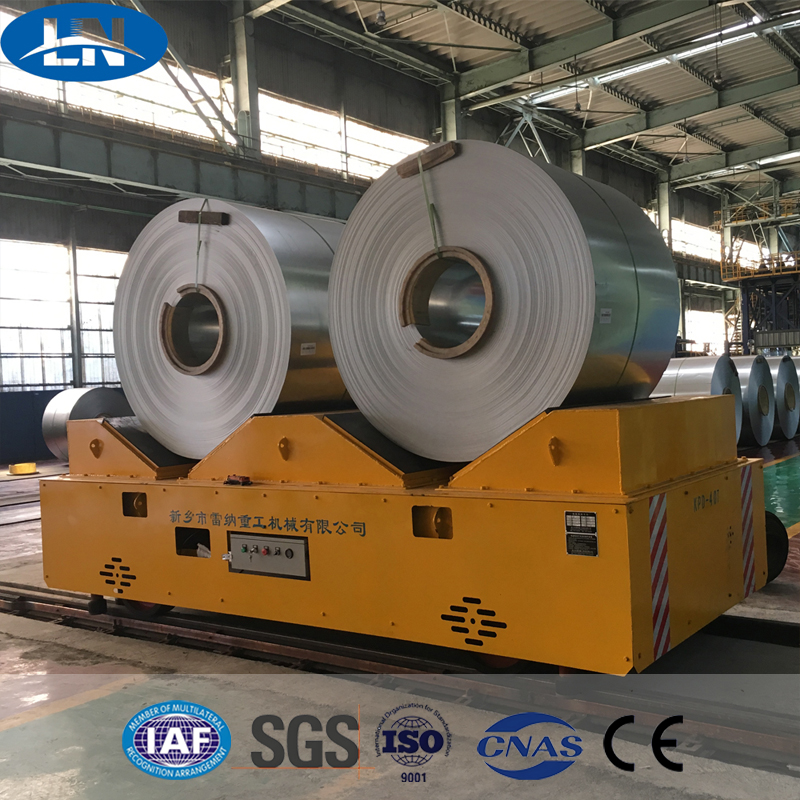
Non-powered rail carts—also referred to as unpowered transfer carts—do not possess an onboard propulsion system; instead, they rely on external forces (such as pushing or pulling) to facilitate movement.
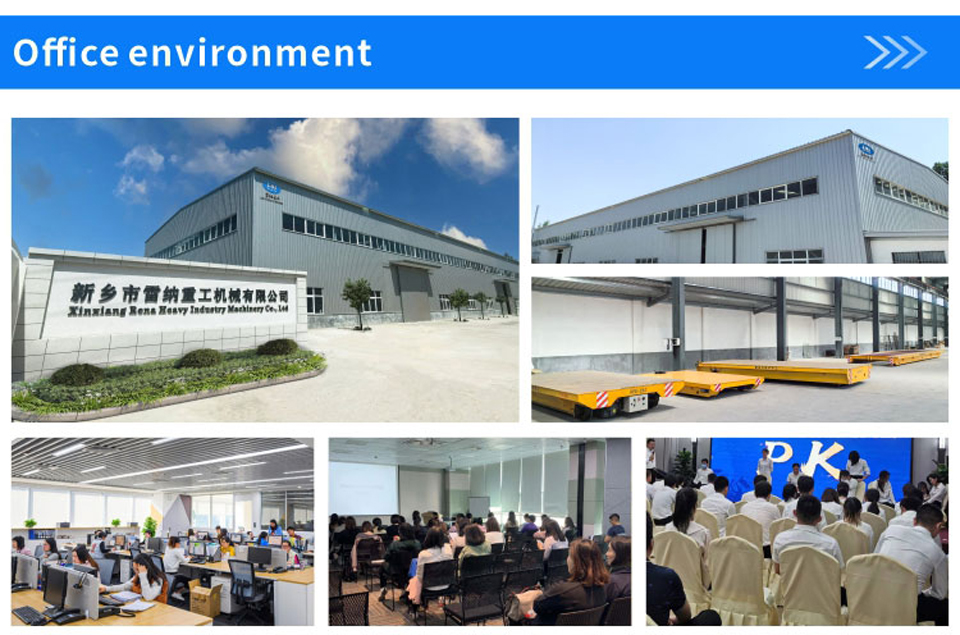
Xinxiang Reena Heavy Industry Machinery Co., Ltd. possesses extensive practical field experience in the selection, design, and manufacturing of electric transfer carts. We are dedicated to designing and manufacturing products that meet—and exceed—our clients' expectations, tailored specifically to their unique requirements.